
How to Prepare for a Florida Wind Mitigation Inspection Before You Close
By Josh Rogers | F3 Home Team at Real Broker
Quick Answer
A wind mitigation inspection documents a home’s hurricane-resistant features on Florida’s official form, OIR-B1-1802. Florida law requires insurers to offer discounts for those features, so the report can change your insurance quote. Ask the seller for an existing report, gather roof and window permits, and schedule the inspection during your inspection period so the results reach your insurance agent before you bind coverage.
What a Wind Mitigation Inspection Actually Checks
A wind mitigation inspection is not a general home inspection. It answers one narrow question: which wind-resistant construction features does this house have, and can they be proven? It is a step in the St. Johns County home buying process that many out-of-state buyers first hear about once they are under contract.
Results go on the Uniform Mitigation Verification Inspection Form. A revised version (Rev. 04/26) is required for inspections on or after April 1, 2026. It covers:
- Building code — whether the home was permitted under the 2001 Florida Building Code or later. The new form adds a separate 2007-or-later option.
- Roof covering — the roofing product and its installation year.
- Roof deck attachment — how the roof sheathing is fastened to the framing.
- Roof-to-wall attachment — toenails, clips, single wraps, double wraps, or structural connections.
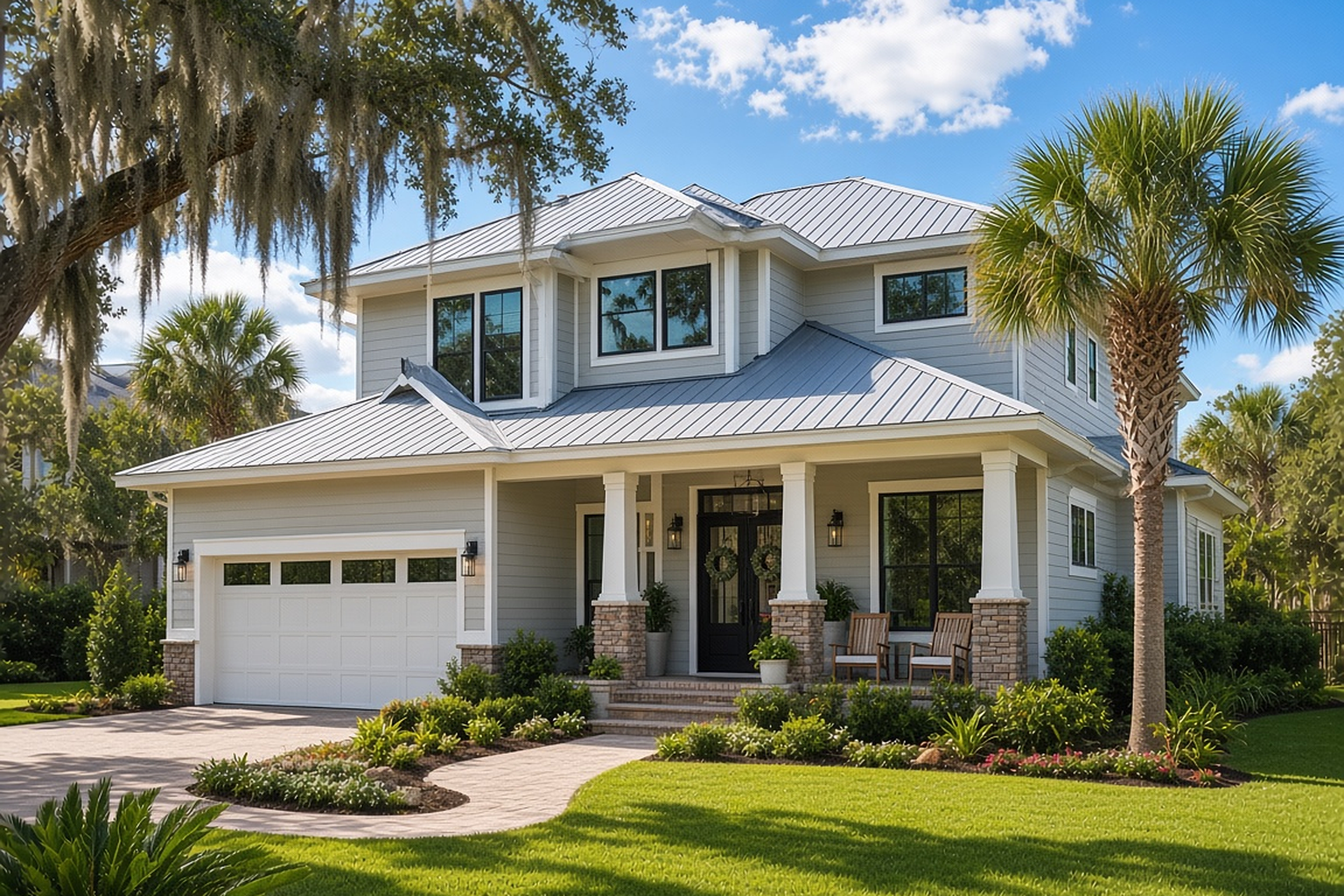
- Roof geometry — hip roofs (sloping down on all sides) qualify for a discount; gable roofs do not.
- Sealed roof deck / secondary water resistance — a barrier that limits water intrusion if shingles blow off.
- Opening protection — impact-rated windows, doors, and garage doors, or approved shutters. Credit is based on the weakest opening.
Why Wind Mitigation Matters Before You Close
Under section 627.0629 of the Florida Statutes, residential property insurers must include discounts or credits for wind-loss mitigation features in their rate filings. Savings depend on the insurer and the features found, so there is no honest single number to quote. What is consistent is the order of operations: a financed purchase needs homeowners insurance in place before closing, and the quote is only as accurate as the information behind it.
Josh Rogers with F3 Home Team at Real Broker has been licensed in Florida since 2006 and has helped more than 1,500 buyers and sellers. In his experience, buyers who leave insurance to the final week are the ones most often surprised by a premium that changes their budget. His guides to home insurance in Florida and what to budget for homeowners insurance in St. Johns County cover the rest.
How to Prepare: A Buyer’s Checklist
1. Ask the seller for an existing report
A completed form is valid for up to five years, as long as the structure has not had material changes and the form has no inaccuracies. Many sellers already have one. If the roof or windows were replaced after it was signed, plan on a new inspection.
2. Gather permits and product documentation
The 2026 form leans harder on documentation. Roof covering now requires a permit application date or product approval number, plus the installation year. Ask for roof permits, window and door product approvals, and any FORTIFIED Home certificate, which can now support certain features on the form.
3. Make the attic and openings accessible
Roof-to-wall and roof deck attachments are usually verified from the attic. If the inspector cannot get in, those items can come back as unknown and earn no credit. Ask the seller to clear the attic hatch.
4. Hire a qualified inspector during your inspection period
Florida law lists who may sign the form, including licensed home inspectors with hurricane mitigation training, building code inspectors, licensed contractors, engineers, and architects. Many home inspectors offer it alongside the general and four-point inspections, which keeps the timeline clean.
5. Send the report to your insurance agent right away
Ask for quotes with and without the mitigation credits so the difference is clear before you remove contingencies.
Insurers may independently verify a submitted form. Verify any inspector’s license at myfloridalicense.com before hiring.
New Construction vs. Resale: What Changes
A new build in a community like Nocatee or Silverleaf is permitted under the current Florida Building Code, but the insurer still needs the features documented. Ask the builder for the permit and roof and window product approvals before closing. Buyers weighing new construction or resale in St. Johns County should note that resale homes vary widely, even within one neighborhood: roof shape, roof age, and window upgrades all differ.
For older resale homes, there is a second inspection to plan for. Citizens Property Insurance requires a four-point inspection — roof, electrical, plumbing, and HVAC — on applications for homes more than 20 years old, and other carriers set their own rules.
The Bottom Line
A wind mitigation inspection is one of the most practical pieces of homework in a Florida purchase. Get the seller’s existing form if there is one, collect the permits, book a qualified inspector inside the inspection period, and get the report to an insurance agent early. Josh Rogers and the F3 Home Team build this step into every St. Johns County contract timeline so insurance is a known number long before closing day.
Frequently Asked Questions
- How long is a Florida wind mitigation inspection valid?
- Up to five years, as long as no material changes have been made to the structure and the form contains no inaccuracies.
- Who pays for a wind mitigation inspection when buying a home?
- Usually the buyer, as part of their inspections, unless the seller already has a current report. Cost varies by inspector.
- Is a wind mitigation inspection the same as a four-point inspection?
- No. A wind mitigation inspection documents wind-resistant features for insurance discounts. A four-point inspection reviews the condition of the roof, electrical, plumbing, and HVAC, and some insurers require it for older homes.
- Does a wind mitigation report lower flood insurance?
- No. Wind mitigation credits apply to the wind portion of a homeowners policy. Flood coverage is separate; see whether St. Johns County is flood prone.
- Can I get a free wind mitigation inspection in Florida?
- Possibly, after you own the home. The state’s My Safe Florida Home program offers free inspections, subject to funding, for owner-occupied, site-built detached homes and qualifying townhomes with a homestead exemption, so it is not available before closing. Josh’s guide to the Florida homestead exemption explains how to file.