
Quick Answer: Florida’s home insurance market is one of the most challenging in the country. Premiums are significantly higher than the national average, insurers continue to exit the market, and buyers from other states are routinely shocked by their first insurance quote. Understanding the landscape before you buy is essential — not optional.
Why Florida Home Insurance Is Complicated
Most buyers moving to Florida from states like New York, New Jersey, or California have a general sense that home insurance is more expensive here. Few realize just how different the market actually is — not just in price, but in the underlying structure of how insurance works in Florida.
This isn’t meant to scare you off. Millions of people own homes in Florida successfully. But going into a purchase without understanding the insurance landscape is one of the more common financial mistakes out-of-state buyers make. This post gives you the honest picture.
What’s Driving High Insurance Costs in Florida
Hurricane Risk
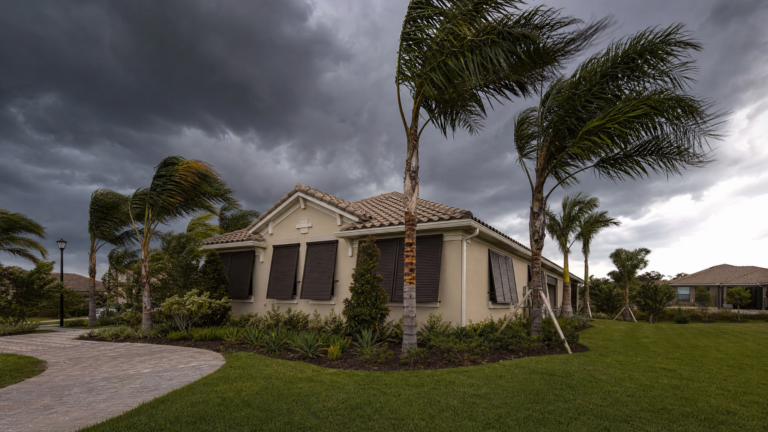
Florida is the most hurricane-exposed state in the country by significant margin. Insurers price this risk into premiums, and reinsurance costs — what insurance companies pay to protect themselves — have risen dramatically in recent years following a series of major hurricanes and catastrophic losses.
St. Johns County, on the northeast Florida coast, carries lower hurricane risk than Southwest Florida or South Florida — but it is not zero, and insurers price it accordingly.
Roof Age and Condition
Roof age is one of the most significant factors in Florida insurance pricing and insurability. Many insurers will not insure — or will not renew — a policy on a home with a roof older than 15–20 years. For new construction, this isn’t an issue. For resale homes, especially older ones, roof age is a critical due diligence item.
If you’re buying a resale home in St. Johns County, get a detailed roof inspection and understand the age and condition before making an offer. A roof replacement can cost $15,000–$35,000 or more — and insurance quotes on older roofs can be eye-opening.
Assignment of Benefits Fraud
Florida has historically had higher-than-average insurance fraud, including issues with assignment of benefits (AOB) claims that inflated costs across the industry. Recent legislation has aimed to reduce this, but the historical loss patterns are still reflected in current pricing.
Insurer Exits from the Market
Several major national insurers — including some household names — have stopped writing new policies in Florida or exited the market entirely in recent years. This has concentrated risk among fewer, smaller companies and increased market pressure on premiums.
What to Expect for Premiums in St. Johns County
Home insurance premiums vary significantly based on property location, construction type, roof age, proximity to flood zones, and home value. General guidance for planning purposes:
For a newer construction home (built 2015 or later) in a non-flood zone in St. Johns County, annual premiums for a $400,000–$600,000 home might run anywhere from $2,500 to $5,000+ per year. These are rough ranges — your specific home may be higher or lower depending on the variables above.
For homes with older roofs, in higher wind zones, or with higher replacement values, premiums can be substantially higher.
This is not a guarantee or actuarial estimate. Get insurance quotes during your due diligence period — ideally before removing contingencies — and factor the actual cost into your monthly payment calculations.
The Citizens Insurance Option
Citizens Property Insurance Corporation is Florida’s state-backed insurer of last resort. It exists for homeowners who cannot find coverage in the private market at a reasonable price. Citizens has been working to reduce its policy count and push policyholders toward the private market, which has created additional challenges for some homeowners.
If Citizens is the only realistic option for insuring a home you’re considering, understand what that means before you close.
Wind Mitigation Inspections: Your Savings Tool
One of the most actionable things you can do as a St. Johns County buyer is get a wind mitigation inspection on the home you’re purchasing. This inspection documents construction features that reduce hurricane wind damage risk — including roof covering type, roof deck attachment, roof-to-wall connections, opening protections, and roof shape.
A strong wind mitigation report can reduce your annual premium by hundreds or even thousands of dollars. For newer construction homes, wind mitigation features are often built in. For resale homes, the inspection reveals what’s there.
Ask your insurance agent about wind mitigation credits before assuming your quote is fixed.
Flood Insurance: A Separate Policy
Homeowners insurance in Florida does NOT cover flood damage. This surprises buyers from states where flood events are less common.
If your home is in a FEMA-designated flood zone — even a lower-risk zone — your lender will likely require you to purchase a separate flood insurance policy. But even for homes not in a mandatory flood zone, flood insurance is worth considering. Flooding can happen outside designated flood zones, and the cost of not having coverage in a flood event can be financially devastating.
Flood insurance is available through FEMA’s National Flood Insurance Program (NFIP) or through private flood insurers. NFIP premiums are based on flood zone designation, home elevation, and construction type. A flood zone determination is a standard part of any real estate transaction; if you’re in a high-risk zone, understand your flood insurance cost as part of your total housing expense.
Practical Steps for St. Johns County Buyers
1. Request insurance quotes before you remove contingencies. Many buyers wait until the last minute to get insurance quotes. This is a mistake. Get quotes during your inspection period so you understand the full cost before you’re locked in.
2. Get a wind mitigation inspection. Whether buying new construction or resale, this inspection typically costs $150–$250 and can save you hundreds per year.
3. For resale homes, verify roof age and condition. This is due diligence, not a nice-to-have. Roof age directly impacts insurability and premium.
4. Understand flood zone designation. Your real estate agent and lender can help identify this. If the home is in a flood zone, understand flood insurance cost as part of your financial planning.
5. Shop multiple insurers. The Florida insurance market is fragmented, and premiums vary significantly between companies. Working with an independent insurance agent who represents multiple carriers is generally more effective than going directly to one company.
What Lenders Will Require
If you’re financing your purchase, your lender will require you to carry homeowners insurance at or above the replacement cost of the home (not the purchase price — the replacement cost). They will also require flood insurance if the home is in a federally designated Special Flood Hazard Area (SFHA).
Understanding these requirements before you go under contract prevents last-minute surprises.
The Bottom Line
Home insurance in Florida is one of the most significant financial planning items for St. Johns County buyers. It’s not a reason to avoid buying here — but going in without understanding it is genuinely risky.
Get your insurance quotes early. Factor the real cost into your monthly budget. Get a wind mitigation inspection. Verify roof age on resale homes. Understand flood zone status.
Buyers who plan for this appropriately find that the cost, while higher than other states, is manageable within the overall value proposition of Florida living. Buyers who are surprised by it mid-transaction find themselves making rushed decisions.
If you have questions about the St. Johns County market and how insurance considerations affect buying decisions here, reach out at StJohnsWithJosh.com/contact.