
By Josh Rogers | F3 Home Team
The biggest surprise after moving to St. Johns County is usually not one dramatic thing — it is the gap between what people imagined and what everyday life actually feels like. In my experience, the people who settle in best are the ones who understand early that this county has a lot going for it, but it still comes with real tradeoffs in cost, location, and routine.
Quick Answer:
What surprises people most after moving to St. Johns County is how different the county feels from one area to another — and how much monthly cost, traffic, and daily convenience depend on the exact neighborhood they picked. The people who adjust fastest are usually the ones who expected tradeoffs instead of assuming the whole county would feel the same.
For a deeper comparison, start with our full Nocatee community guide, our full RiverTown community guide, and our full Silverleaf community guide before you decide which community fits you best.
Josh Rogers, with the F3 Home Team, has helped over 1,500 buyers and sellers since 2016 — that experience shapes how he helps buyers think through the real tradeoffs of moving to St. Johns County.
Table of Contents
- The county feels less uniform than people expect
- The true monthly cost is higher than many expected
- Traffic and location matter more than they thought
- Newer does not always mean better for you
- People need time to learn the area
- How to avoid the biggest surprises
- Frequently asked questions
The county feels less uniform than people expect
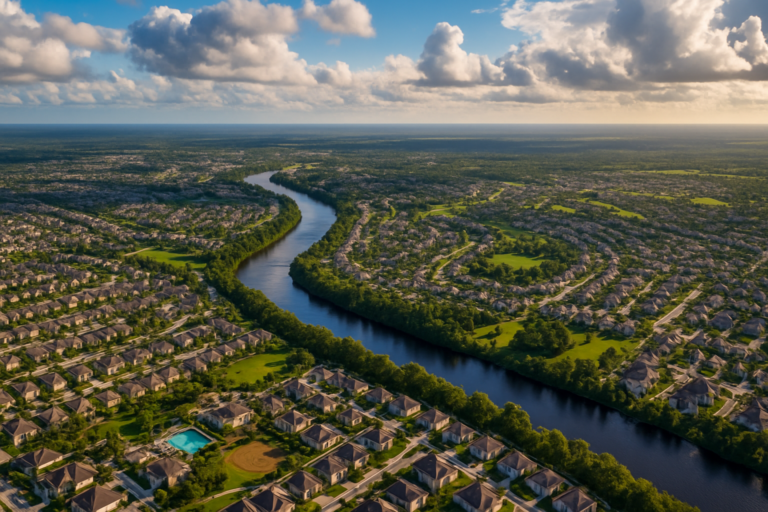
A lot of out-of-state buyers come in thinking St. Johns County is one consistent experience from top to bottom. It is not. One part of the county may feel polished, fast-growing, and amenity-heavy. Another may feel quieter, older, or more spread out. Another may feel much closer to beaches and coastal access. That difference catches people off guard more than almost anything else.
This is one reason comparison content tends to matter so much here. Reading Nocatee vs. Silverleaf or digging into specific neighborhoods like RiverTown gives buyers a more accurate feel than broad county-level praise ever will. The people who do best here usually stop asking, “Is St. Johns County good?” and start asking, “Which part of St. Johns County actually fits my life?”
The true monthly cost is higher than many expected
The financial side is another major surprise. Plenty of buyers come from higher-tax states and assume Florida will automatically feel cheaper. Sometimes it does. But in many of the county’s popular communities, the total monthly cost is still higher than expected once insurance, taxes, HOA dues, and CDD fees are fully accounted for.
The biggest blind spot is often not mortgage rate or purchase price. It is everything layered on top of it. That is exactly why the CDD fees post matters so much. Buyers often love a house first, then discover that the true cost of owning it is very different from what they thought when they first saw the listing.
What surprises people is not just that these costs exist. It is how quickly they affect decision-making once the excitement of the search wears off. A house that looked obvious online can feel a lot more complicated once real monthly numbers are on the table.
Traffic and location matter more than they thought
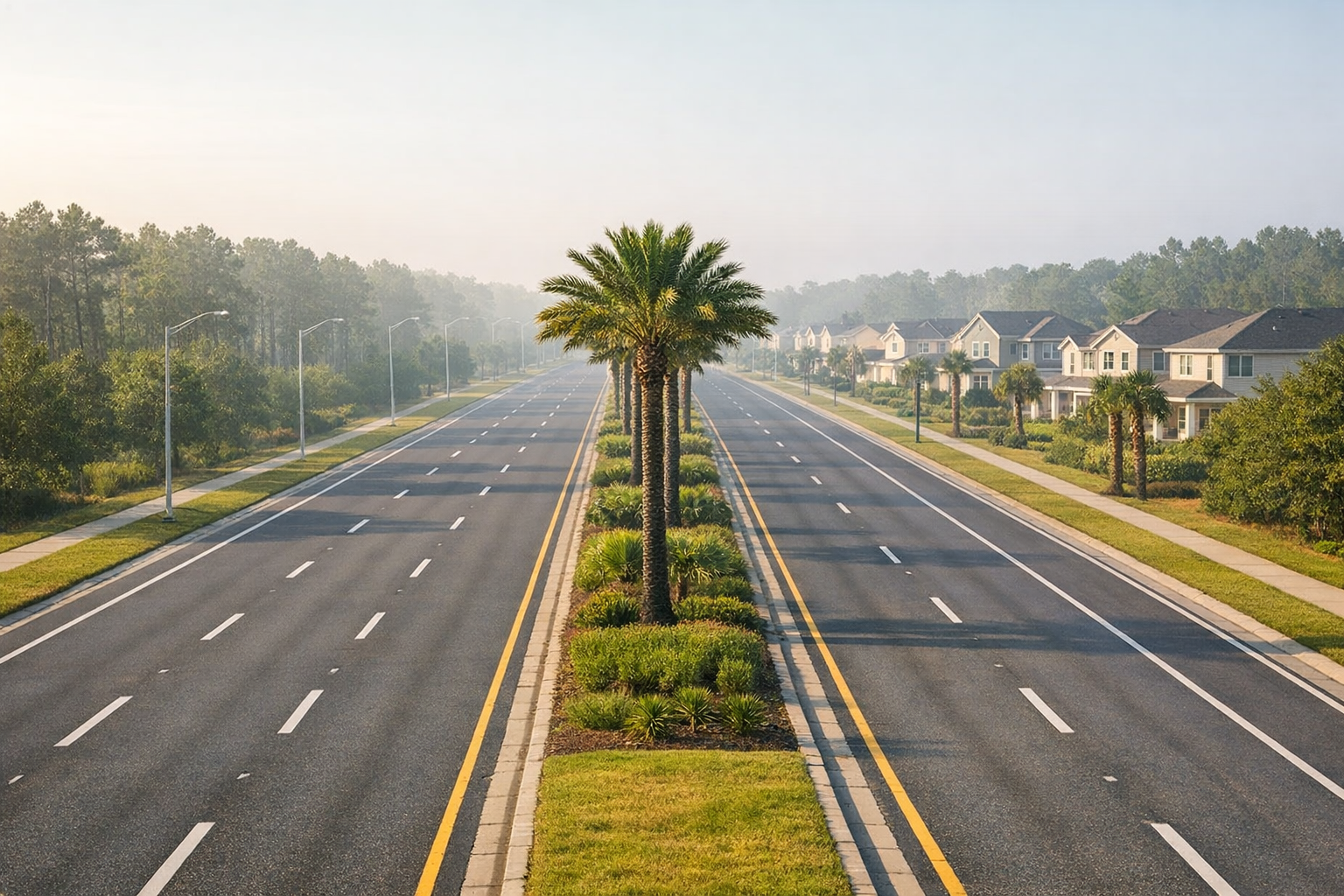
Another common surprise is how much the right location inside the county matters. A lot of buyers expect the whole area to be equally convenient. In real life, commute patterns, school traffic, and where your grocery, dining, and recreation needs sit relative to your neighborhood can shape your happiness more than the actual house does.
That is one reason people often connect with posts like Best St. Johns Neighborhoods Near Shopping or broader local guides like 10 Things I Wish I Knew Before Moving to St. Johns. The day-to-day experience here is shaped by access: access to Jacksonville, to beaches, to shopping, to river recreation, and to the exact kind of neighborhood rhythm you want.
A buyer who is only focused on square footage can easily miss that point. Then they move in and realize the location either makes life easier every day or creates small frustrations every day.
Newer does not always mean better for you
People are often attracted to newer communities because they photograph beautifully and look easy to understand. There is nothing wrong with that, but newer does not always equal better. Sometimes it equals higher fees, longer build-out timelines, more nearby construction, and a daily routine that depends heavily on one corridor or shopping cluster.
For some buyers, that tradeoff is absolutely worth it. They love the amenities, trails, and polished feel. For others, a more established neighborhood or a different part of the county ends up feeling more natural. This is also why some people who start their search focused on one headline community eventually pivot after touring multiple options.
In my experience, the right answer usually comes from seeing enough of the county to understand what is being traded for what — newer construction versus lower fees, beach access versus inland value, polished amenities versus a different kind of quiet.
According to Josh Rogers, the F3 Home Team sees buyers make their best decisions when they compare real tradeoffs instead of assuming the most talked-about option is automatically the right fit.
People need time to learn the area
One of the most human surprises is simply how long it can take to feel oriented. Even buyers who are excited and well-prepared usually need time to build routines, find favorite spots, test routes, and understand which parts of the county they actually use most often. That adjustment period is normal.
Some people think they are supposed to feel instantly certain the moment they move in. That is rarely how it works. A place starts to feel like yours once daily patterns begin to settle: where you shop, where you go on weekends, which route you take without thinking, which part of the county you recommend to someone else.
The people who adjust most smoothly tend to give themselves permission to learn the area in stages instead of judging the move too quickly.
How to avoid the biggest surprises
The best way to avoid surprises is to make your decision based on real daily-life priorities instead of broad reputation alone. Compare neighborhoods against your commute, your budget, your preferred pace, and the type of surroundings you actually want. Be honest about whether you care more about beaches, shopping, schools, newer construction, river access, or lower monthly cost.
If you do that, most of the “surprises” become manageable realities instead of painful disappointments. St. Johns County is a strong move for a lot of people. The key is not assuming that because the county is popular, every corner of it will automatically feel right for you.
The F3 Home Team regularly works with buyers who start with one idea and change direction once the day-to-day fit becomes clearer. Josh Rogers sees that as a healthy part of the process, not a setback.
Frequently Asked Questions
What cost surprises people most after moving here?
Insurance, property taxes, and CDD or HOA fees are the most common financial surprises. Buyers who only compare list price often miss how much the real monthly number can shift once those costs are included.
Do people usually regret moving to St. Johns County?
Most people who chose the county for the right reasons do not regret it. The frustration usually comes when someone picked a neighborhood based on a headline or a map pin instead of how they actually wanted daily life to work.
Is traffic worse than people expect?
It can be. Certain school-year and rush-hour routes feel very different in person than they do on Google Maps at off-peak times, which is why commute testing matters so much.
Are newer master-planned communities always the best fit?
Not always. They can be a great fit for some buyers, but others end up preferring a quieter area, a lower-fee setup, or a different location relative to shopping, beaches, or work.
What helps people settle in faster after the move?
Choosing a neighborhood that fits your actual routine helps more than anything else. So does giving yourself time to learn the county instead of expecting instant certainty in the first week.
If you are planning a move here, the smartest next step is to compare a few neighborhoods through the lens of your actual routine and total monthly cost. That kind of honest filtering usually tells you more than any generic ranking ever will.

If you want help thinking through the tradeoffs in this article, Josh Rogers with the F3 Home Team can help. Contact Josh Rogers.
Josh Rogers, REALTOR® with F3 Home Team at Real Broker is the founder of StJohnsWithJosh.com. Josh Rogers and the F3 Home Team have helped over 1,500 buyers and sellers since 2016, and his goal is simple: give you the honest, practical information you need to make the right decision.
📞 904-417-7926 | ✉️ joshrogers@joshrogersteam.com | 🌐 StJohnsWithJosh.com
Josh Rogers leads F3 Home Team — the #1 team in Jacksonville by sales volume (RealTrends) for 3 consecutive years, and #1 in all of Northeast Florida (Jacksonville & St. Johns County) in 2026. Based in St. Johns County, FL, F3 Home Team has helped over 1,500 buyers and sellers since 2016 find the right home — from relocation buyers moving from out of state to local homeowners upgrading into their forever neighborhood. If you have questions about buying in St. Johns County, reach out at StJohnsWithJosh.com.